
Unpacking Nunc Stans
On the Nunc Stans single: the eternal present locates, it does not dissolve

Today is another [ Cross+Word ] scaffolding post for its architecture on setting and locality, this time through a second Cross+Word single: Nunc Stans.
This is not an entry-point post; it presupposes you’ve read Cross+Word and take an interest in its cosmology and metaphysics.
This follows the architecture work I began with the [ Appendix and Addendum ] outlining the main concepts and scriptural basis for the graphic novel; and the two-part series on Writing With the Holy Spirit: [ I - Lectio Divina ] and [ II - COR exercise ].
The first song [ The Voice From Nothing ] was based on a Chapter 14 panel for the antagonistic Voices, now revealed to be the demons. Scripture and Thomism affirm: demons are fallen angels—pure intellect and will. The exorcists and saints inform us that they seek to distract us from Christ and want our attention on what they are doing. The song presented a perplexity: beauty produced by machine-generated content speaking Latin: light and violence, you shall not die—the serpent’s lie tempting man into original sin by trading friendship and birthright for novelty and experience.
Nunc Stans is the setting of Cross+Word—the all that is, the eternal present. It is a theologically airtight meditation that functions as contemplation, discourse, soundtrack, and worldbuilding as a result of my preparation for the next chapter of the series.
Cross+Word began as an AI experiment:
[Battle Manga] + [Mechanics Theme]
Names have power. Knowing your true name grants extraordinary abilities. The pattern already exists in its precedents : Bleach, Chainsawman, and Jojo. What would its Christological equivalent look like? What I didn’t anticipate was iconography.
[Battle Manga] + [Mechanics Theme] + [Imago Dei].
This means that Cross+Word itself is an icon being written about an icon world featuring likenesses of Christological concepts manifest in all media. The image of God extends through the likeness of man into his works. The Damascus treatises on the defense of images as well as well as the Sacred Deposit of Faith apply also to those works which can either become idols of images which pass honor to the proto-icon: Christ.
As technology advances, so do the story’s asymmetry—mustard seed potential (Mt 13:31-32): longer chapters, hand-drawn panels, more action, music.
It remains to be seen if Cross+Word is mustard seed or cracked foundation; surely a stumbling block for the modernist rejecting Imago Dei—"God created man in his own image... male and female" (CCC 355)—or demanding a "scientific paper" proving Original Sin's math: a "state... contracted" by propagation, wounding nature with concupiscence (CCC 403-405).
From tiniest seed, the Gospel-tree burgeons—birds nest in its branches.
The genre offers horizontal paths only: Dragonball power-scaling or JoJo creative-scaling—both infinity-loops to the same endgame. Become "God," recreate the world, rule the new order, get overthrown by the next claimant. Endless whataboutism treats the Problem of Evil as a squared circle, spawning scope-creep catechisms. Expanded Universes recycle ancient heresies—Arian self-divinization, Nestorian fractures—as sequel trilogies.
CCC 44 is prescient: "Man is by nature and vocation a religious being. Coming from God, going toward God, man lives a fully human life only if he freely lives by his bond with God."
Cross+Word redirects this hunger vertically: ordered vignettes transfiguring disordered tales to divine communion.
What can Cross+Word do differently? Transfiguration instead of Transformation. Ordered nature vs disordered nature packaged into simple, enjoyable vignettes spoken in ecumenical grammar. Objections will range from aiconoclasts who hate AI to iconophiles who hate sublimation; from Catholics demanding sinless heroes to Protestants scorning flawed reformers. All miss Dei Verbum's point: the Word transfigures all. You are either with Christ or against Jesus Christ, the God of the Burning Bush, who is the God of the Law and the Prophets. There is no cosmic Christ, prosperity Christ, liberation theology Christ, or factional Christ.
Nunc Stans is the latest in that visual architecture and deserves an apologia in what follows: Vision, Mission, Execution, Scriptural Basis.
First the visual, then the lyrics. The lyrics are downstream from both the vision and mission —> executed concepts.
First the Vision:
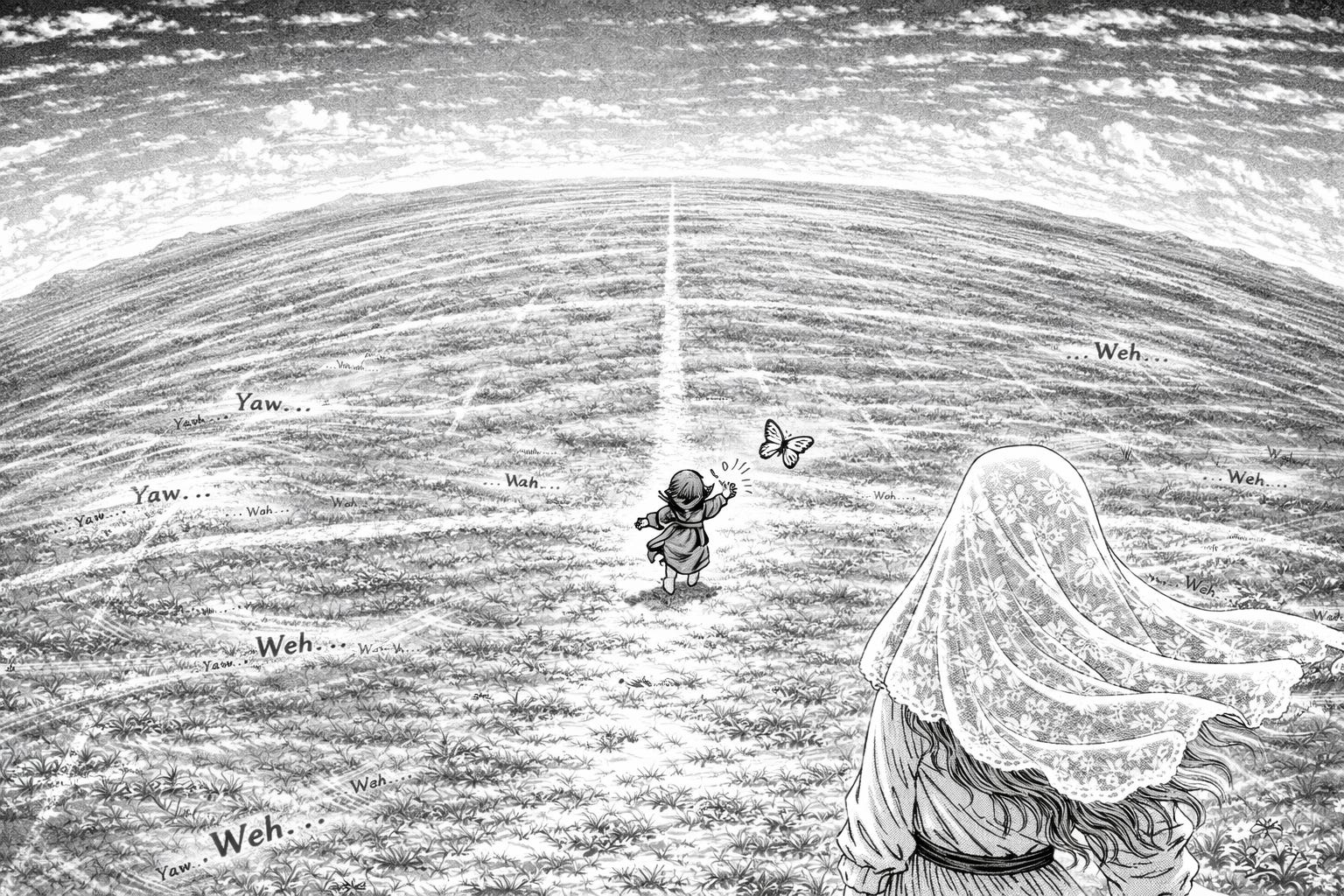
Now the Mission:
[NUNC STANS]
The unmoving Present
in which all things
are held at once.
And in the eternity of God all things (including our consecutive prayers) are present at once — nunc stans aeternitas. — Libera Me, Catholic Encyclopedia, 1913.
[READING]
The unmoving gaze
that perceives
the whole
without succession.
Reading an icon refers to the prayerful contemplation of an icon, a process of "looking to the depth" that goes beyond mere artistic appreciation to encounter the divine prototype depicted. — Catechism of the Ukrainian Catholic Church: Christ – Our Pascha, 592
[EIKON]
A visible likeness
of an invisible principle.
Eikon (εἰκών), in its original Greek meaning, refers to an image, likeness, similitude, spectral phantom, or image or idea in the mind—fundamentally connoting a portrait or likeness of something, derived from eikō ("to look like or be like").1 This broad sense encompasses a represented character or figure that mirrors its prototype, distinct from the "orthodox icon" (eikōn in liturgical use), which is a sacred, canonically painted image in Eastern Christianity for veneration, as affirmed at Nicaea II (787). — Catechism of the Ukrainian Catholic Church: Christ – Our Pascha, 591
[WHERE, the eikon of Relation]
The principle of order.
The locus
in which all relations
are given place.
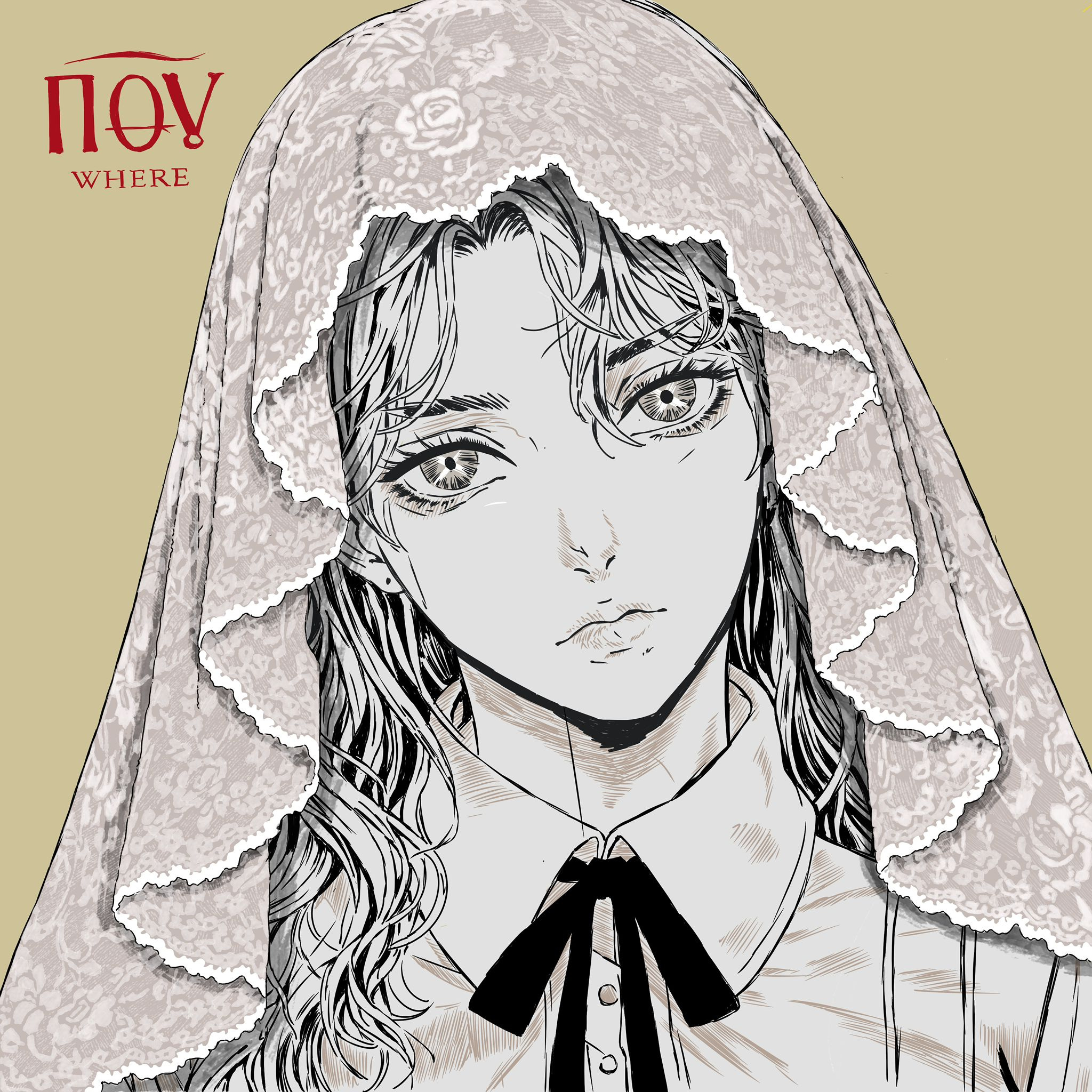
Now the Product:
Nunc Stans.
The Eternal Present.
The unmoving Now
in which all things are held.
Everything has its place.
Nothing wanders outside relation.
Nothing falls outside the Word.
The world is an icon.
Not surface — but window.
Paths converge.
Lines cross.
The many gather without confusion.
The Body converges on the Word.
The Word holds the Body.
Crossword of all that is.
Intersection without collision.
Difference without division.
All relations read at once.
All moments present together.
Nothing lost.
Nothing outside.
Nunc Stans.
Pre-Release Link:
Nunc Stands | The Standing Now | Cross+Word by ☧ Chi-Ro
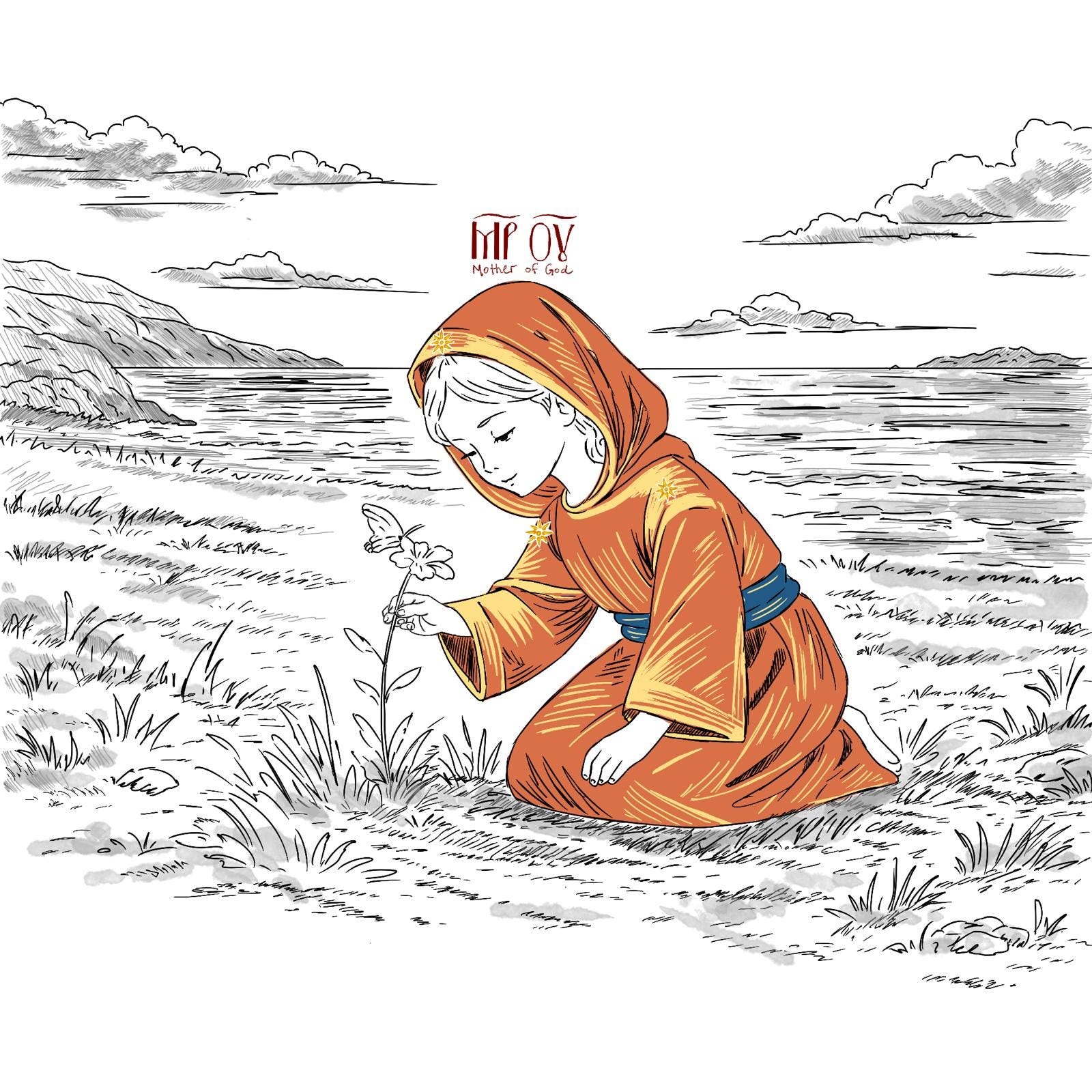
What follows has three layers: meanings, citations, and scholarly expansion. Read linearly or enter at the level relevant to you.
Now the Apologia meanings line-for-line, via Magisterium.com:
Nunc Stans. [Boethius/Aq.: eternal "now that stands still"]
The Eternal Present. [Simultaneously whole, no past/future]
The unmoving Now [God's immutability as pure Act]
in which all things are held. [Eternity embraces all time]
Everything has its place. [Members' diversity in unity]
Nothing wanders outside relation. [Mystical Body ligaments; divine relations]
Nothing falls outside the Word. [All created through Logos]
The world is an icon. [Church teaching in images; creation as image]
Not surface — but window. [Raises mind to Prototype; window to Divine]
Paths converge. [Creation drawn to Cross; history to God]
Lines cross. [Crossword: Body on Word (user theme; cf. Mystical Body)]
The many gather without confusion. [Unity w/o confusion (Trin. anal.); saints as icons]
The Body converges on the Word. [Church as Christ's Body, Head Word]
The Word holds the Body. [Christ Savior/Head of Body; Logos sustains]
Crossword of all that is. [Pleroma: fullness in Christ; all via Logos]
Intersection without collision. [Veneration ≠ adoration; distinction preserved]
Difference without division. [Union preserves personality; likeness w/o div.]
All relations read at once. [Eternal present: all simultaneous]
All moments present together. [Nunc stans: embraces all time; eternity as event]
Nothing lost. [New creation in Christ; all held]
Nothing outside. [Seeds of Word in all; no excuse outside Logos]
Nunc Stans. [Cycle complete: eternity's plenitude]
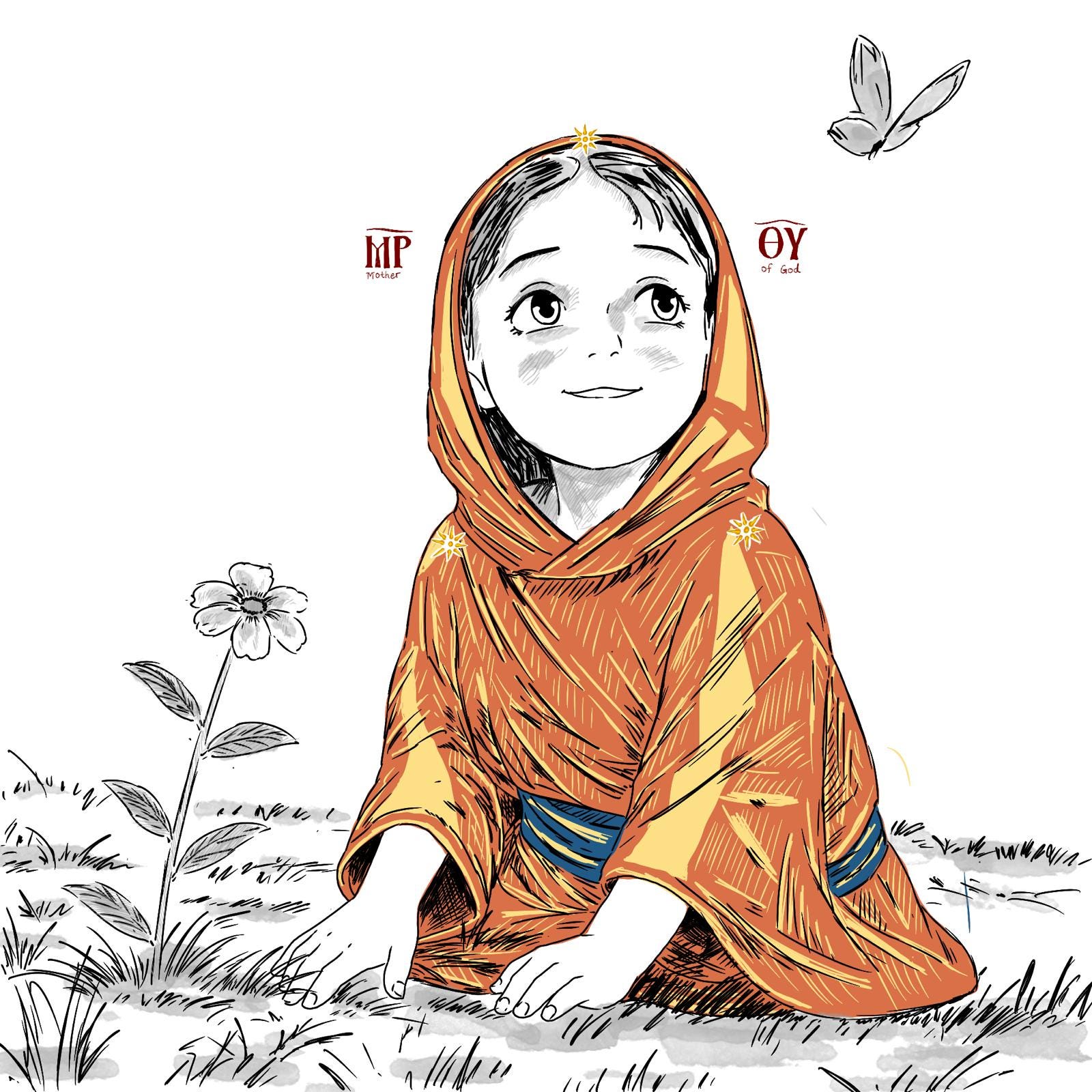
Now for the Apologia citations line-for-line, via Magisterium:
Nunc Stans. (Boethius, Consolation V.6) [Summa Theologiae, I, Q. 10, A. 2]
The Eternal Present. (Boethius V.6; Aquinas, ST I.10.1) [Summa Theologiae, I, Q. 10, A. 2]
The unmoving Now (Aquinas, ST I.10.2) [Summa Theologiae, I, Q. 10, A. 2]
in which all things are held. (Col 1:17; Acts 17:28) [CCC, 791] [Summa Theologiae, I, Q. 10, A. 2]
Everything has its place. (Wis 11:20) [CCC, 791] [Catholic Encyclopedia, Mystical Body of the Church]
Nothing wanders outside relation. [Catholic Encyclopedia, Mystical Body of the Church] [The Humility of God: On a Disputed Question in Trinitarian Theology, p.23]
Nothing falls outside the Word. (John 1:3; Heb 1:3) [Catholic Encyclopedia, The Logos] [Origen of Alexandria Commentary on the Gospel of John, 9]
The world is an icon. (Rom 1:20) [Catechism of the Ukrainian Catholic Church: Christ – Our Pascha, 591] [Office for the Liturgical Celebrations of the Supreme Pontiff | Iconography and Liturgy, 2]
Not surface — but window. (Nicaea II, 787) [Synod of the Ukrainian Greek Catholic Church | Catechism of the Ukrainian Catholic Church: Christ – Our Pascha, 591] [Office for the Liturgical Celebrations of the Supreme Pontiff | Iconography and Liturgy, 4]
Paths converge. (Eph 1:10) [Pope Francis | Desiderio Desideravi, 42] [Pope Benedict XVI | 23 April 2011: Easter Vigil]
Lines cross. [Pope Pius XII | Mystici Corporis Christi: On the Mystical Body of Christ, p.1]
The many gather without confusion. (Chalcedon, 451) [Office for the Liturgical Celebrations of the Supreme Pontiff | Iconography and Liturgy, 4]
The Body converges on the Word. (Col 1:18) [Catechism of the Catholic Church | CCC, 791] [The Encyclopedia Press | Catholic Encyclopedia, Mystical Body of the Church] [Pope Pius XII | Mystici Corporis Christi: On the Mystical Body of Christ, p.1]
The Word holds the Body. (Col 1:17; Heb 1:3) [Pope Pius XII | Mystici Corporis Christi: On the Mystical Body of Christ, p.1] [Office for the Liturgical Celebrations of the Supreme Pontiff | Iconography and Liturgy, 2]
Crossword of all that is. [The Encyclopedia Press | Catholic Encyclopedia, Mystical Body of the Church] [The Encyclopedia Press | Catholic Encyclopedia, The Logos]
Intersection without collision. [Synod of the Ukrainian Greek Catholic Church | Catechism of the Ukrainian Catholic Church: Christ – Our Pascha, 591] [Office for the Liturgical Celebrations of the Supreme Pontiff | Iconography and Liturgy, 2]
Difference without division. (Chalcedon, 451) [Pope Pius XII | Mystici Corporis Christi: On the Mystical Body of Christ, p.1] [Antonio López | Eternal Happening: God as an Event of Love, p.19]
All relations read at once. (Boethius V.6) [Anselm of Canterbury | The Major Works, p.467] [Thomas Aquinas | Summa Theologiae, I, Q. 10, A. 2]
All moments present together. (Boethius V.6; Aquinas, ST I.10) [Thomas Aquinas | Summa Theologiae, I, Q. 10, A. 2] [Antonio López | Eternal Happening: God as an Event of Love, p.19]
Nothing lost. (John 6:39) [Pontifical Biblical Commission | The Jewish People and Their Sacred Scriptures in the Christian Bible (May 24, 2001), 26]
Nothing outside. (Col 1:16–17) [International Theological Commission |Christianity and the World Religions, 42] [Origen of Alexandria | Commentary on the Gospel of John, 9]
Nunc Stans. (Boethius V.6) [Antonio López | Eternal Happening: God as an Event of Love, p.19] [Thomas Aquinas | Summa Theologiae, I, Q. 10, A. 2]
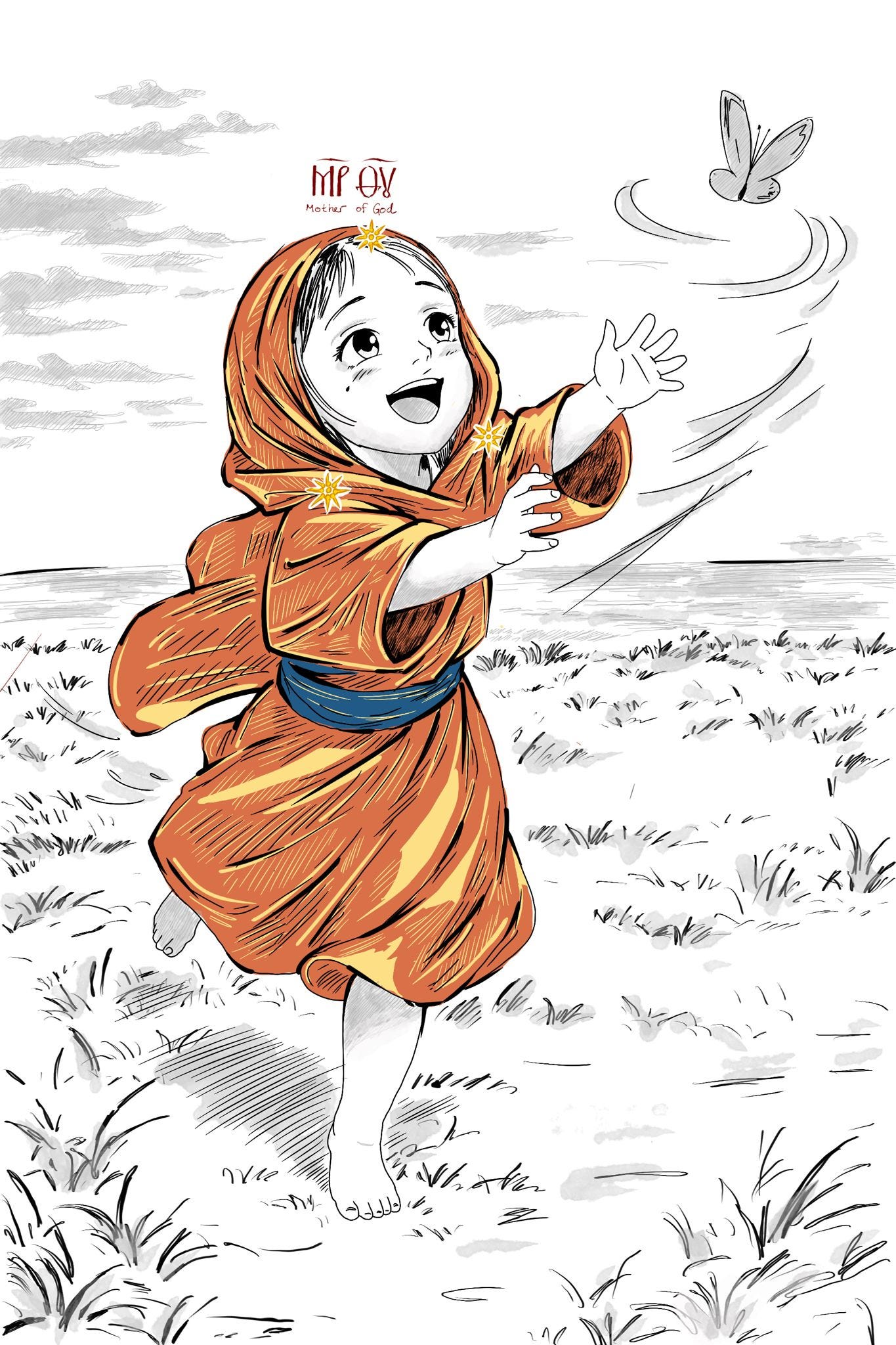
Now for the Apologia in Plain English:
Nunc Stans. — Divine eternity as a single, complete, indivisible now. Not endless duration but the absence of succession.
The Eternal Present. — God does not experience before and after. All moments are simultaneously whole to him.
The unmoving Now — Immutability as positive fullness, not static absence. Pure Act contains all without being changed by any.
in which all things are held. — Creation exists within divine sustaining presence. Not contained spatially but ontologically dependent.
Everything has its place. — Order is not imposed externally but intrinsic to the relational structure of reality. Diversity within unity.
Nothing wanders outside relation. — Isolation is impossible at the level of being. All things exist through and toward relation.
Nothing falls outside the Word. — The Logos is the principle through which all things were made. Nothing exists outside that originating speech.
The world is an icon. — Creation is not self-referential. It points beyond itself to its prototype. Surface is never only surface.
Not surface — but window. — The iconic distinction. An image that participates in rather than merely represents its original.
Paths converge. — History has a direction. Creation moves toward its source rather than away from it.
Lines cross. — The crossword motif made cosmological. Intersection is the structural principle of reality.
The many gather without confusion. — Chalcedonian grammar applied to the Mystical Body. Unity that preserves distinction.
The Body converges on the Word. — The Church’s movement is not self-generated. It is drawn by and toward its head.
The Word holds the Body. — Sustaining is active not passive. Christ does not merely originate the Church but continuously maintains it.
Crossword of all that is. — The pleroma. Fullness in Christ as the intersection point of all relations.
Intersection without collision. — Veneration distinct from adoration. Relations that touch without collapsing into each other.
Difference without division. — Union that preserves personality. Likeness that does not erase the distinct person.
All relations read at once. — WHERE’s power stated cosmologically. The eternal present as total simultaneous legibility.
All moments present together. — The nunc stans as event rather than abstraction. Eternity embraces time without dissolving it.
Nothing lost. — The eschatological promise. What is held in the eternal present cannot be finally undone.
Nothing outside. — The Logos as universal ground. Seeds of the Word present wherever reality is present.
Nunc Stans. — Return to the origin now carrying the full weight of what has been traversed. The cycle complete, the term fulfilled, the standing now confirmed as the beginning and end of the reading.
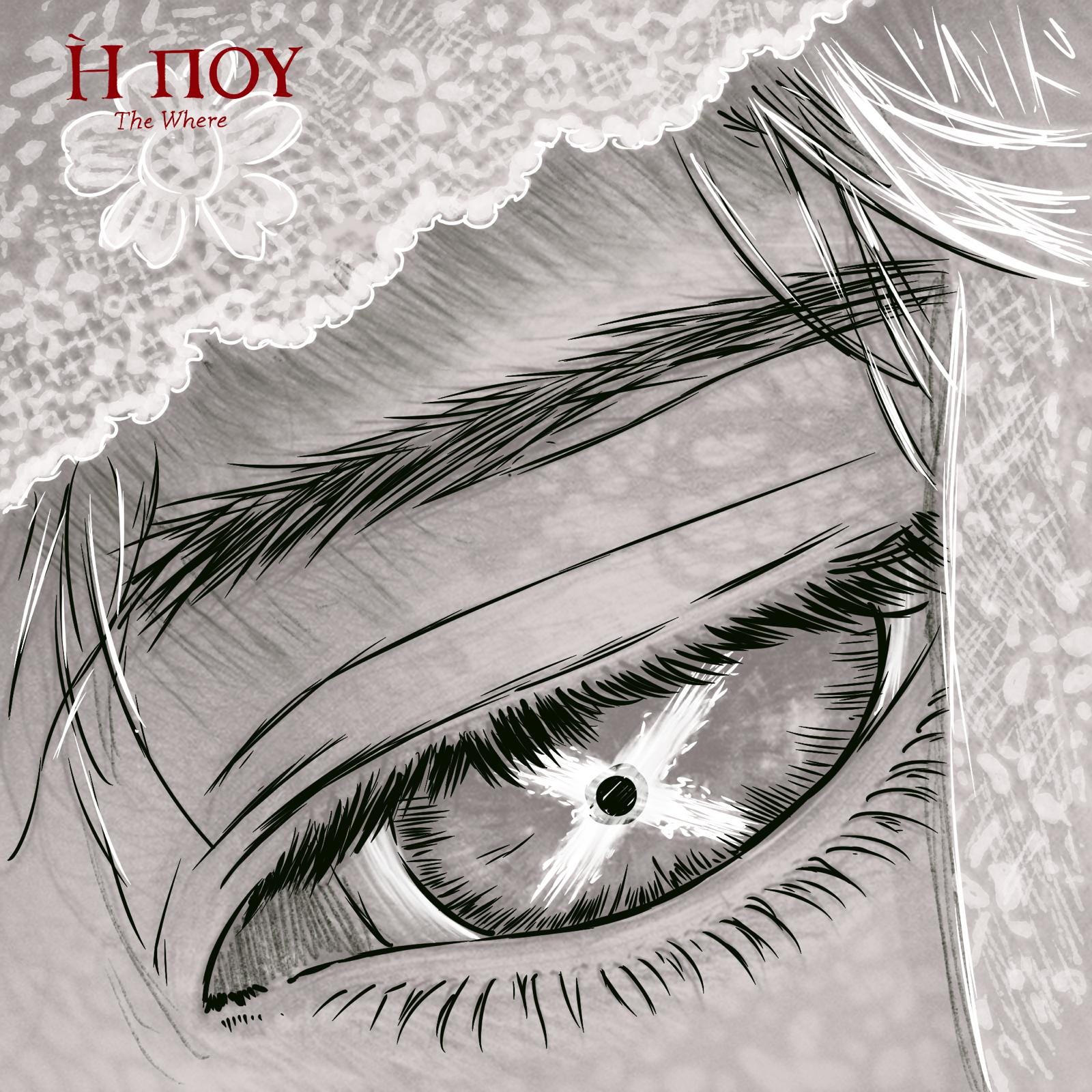
Now for the Scholarly Apologia for each referenced citation:
Nunc Stans. (Boethius, Consolation V.6) — Boethius defines eternity as the complete, simultaneous, and perfect possession of unlimited life all at once. Time flows sequentially; God possesses all of it as a single present moment. The term nunc stans — the standing now — emerges here as the philosophical foundation for divine eternity distinct from temporal duration. [Summa Theologiae, I, Q. 10, A. 2] — Aquinas asks whether God is eternal and answers that eternity belongs to God alone as the measure of a being without beginning, end, or succession. Eternity is not extended time but its negation — the simultaneous whole of what time parcels out sequentially.
The Eternal Present. (Boethius V.6; Aquinas, ST I.10.1) — Both sources converge on the same point from different angles. Boethius approaches from philosophy of time: the eternal present is not a frozen moment but a fullness that contains all moments without being constituted by any. Aquinas approaches from theology of divine simplicity: God’s eternity follows from his immutability — what does not change does not move through time. [Summa Theologiae, I, Q. 10, A. 2] — Aquinas distinguishes eternity from the aevum (the measure of angelic existence) and from time (the measure of change in material things). The eternal present is proper to God alone because only God is his own existence.
The unmoving Now (Aquinas, ST I.10.2) — Aquinas addresses whether God is eternal or whether eternity is God. His answer: eternity is not an attribute added to God but identical with his essence. The unmoving now is not God contemplating a frozen universe but God as pure Act, containing all actuality without potentiality or succession. [Summa Theologiae, I, Q. 10, A. 2] — The same article establishes that immutability is the ground of eternity. Motion through time requires potentiality — the possibility of being other than one is. God has no such potentiality. The unmoving now follows necessarily from divine simplicity.
in which all things are held. (Col 1:17) — Paul states that in Christ all things hold together. The verb is synestēken — a perfect tense indicating ongoing completed action. Creation is not merely originated by Christ but continuously cohered by him. (Acts 17:28) — Paul at the Areopagus: in God we live and move and have our being. Existence itself is participation in divine sustaining presence. Nothing is self-subsisting outside this holding. [CCC, 791] — The Catechism on the Church as Body of Christ: unity is not organizational but ontological, constituted by Christ as head holding the members in active relation. [Summa Theologiae, I, Q. 10, A. 2] — Aquinas’s account of the eternal present as the measure within which all created duration is contained, not as a container spatially but as the ontological ground of all temporal existence.
Everything has its place. (Wis 11:20) — Wisdom states that God arranged all things by measure, number, and weight. Order is not imposed on a resistant chaos but intrinsic to the act of creation. Everything has its place because placement is constitutive of created being. [CCC, 791] — The Body of Christ as the model for ordered diversity: members differ in function and gift but each occupies a place that is proper to them within the whole. Disorder is privation of proper place, not mere difference. [Catholic Encyclopedia, Mystical Body of the Church] — The classical treatment of the Mystical Body establishes that the Church’s unity is an organic unity of diverse members, each with a specific function that cannot be replaced by another without loss to the whole.
Nothing wanders outside relation. [Catholic Encyclopedia, Mystical Body of the Church] — The ligaments of the Body — charity, the sacraments, the indwelling Spirit — bind members to each other and to the head such that isolation is not merely failure but ontological privation. To wander outside relation is to wander outside being. [The Humility of God: On a Disputed Question in Trinitarian Theology, p.23] — The Trinitarian processions establish that relation is not accidental to divine being but constitutive of it. The Father is not the Father without the Son. Relation is not what persons have but what they are. This Trinitarian grammar extends analogically to creation: created persons exist in and through relation to their source and to each other.
Nothing falls outside the Word. (John 1:3) — All things came into being through the Logos and without him nothing came into being that has come into being. The Logos is not one cause among others but the universal ground of all created existence. (Heb 1:3) — The Son sustains all things by his powerful word. Sustaining is distinguished from originating — the Word is not merely the efficient cause of creation but its ongoing formal principle. [Catholic Encyclopedia, The Logos] — The Catholic Encyclopedia’s treatment of the Logos traces the term from its Stoic usage through its Johannine transformation: the Logos is not an impersonal rational principle but the personal Son of God through whom all things are made and in whom all things cohere. [Origen, Commentary on the Gospel of John, 9] — Origen’s exegesis of John 1 establishes that the Logos contains within himself the logoi — the rational principles — of all created things. Nothing falls outside the Word because everything has its principle within the Word before it has its existence outside it.
The world is an icon. (Rom 1:20) — Paul states that God’s invisible attributes have been clearly perceived since the creation of the world through the things that have been made. Creation is not opaque to its source but transparent to it — a window, not a wall. [Catechism of the Ukrainian Catholic Church: Christ – Our Pascha, 591] — The Ukrainian Catholic Catechism extends the theology of the icon from sacred images to creation itself: the world participates in the divine prototype it images. Iconic relation is not merely representational but participatory. [Office for the Liturgical Celebrations of the Supreme Pontiff, Iconography and Liturgy, 2] — The Vatican’s liturgical document on iconography establishes that the icon’s function is anagogical — it raises the mind toward the divine prototype. Applied to creation: the world’s iconic character is its capacity to raise the contemplating mind toward God through rather than away from its visible forms.
Not surface — but window. (Nicaea II, 787) — The Second Council of Nicaea’s definition of image veneration rests on the distinction between the image and its prototype. The image is venerable not in itself but in what it refers to. Surface that is only surface has no iconic character. The window does not obstruct the view — it constitutes it. [Catechism of the Ukrainian Catholic Church: Christ – Our Pascha, 591] — Reading an icon is described as looking to the depth — passing through the visible surface to encounter the invisible prototype. The surface is not denied but rendered transparent by the act of reading. [Office for the Liturgical Celebrations of the Supreme Pontiff, Iconography and Liturgy, 4] — Liturgical iconography functions as a threshold between the visible and invisible. The window analogy is implicit in the document’s insistence that icons do not decorate sacred space but constitute it as a place of encounter.
Paths converge. (Eph 1:10) — Paul’s vision of the economy of salvation as the recapitulation of all things in Christ — anakephalaiōsasthai — the gathering of all into the one head. History has a direction and that direction is convergence on Christ. [Pope Francis, Desiderio Desideravi, 42] — Francis on the liturgy as the form in which the Church’s convergence on Christ is enacted and made present. The Eucharist is not one path among others but the point toward which all paths lead. [Pope Benedict XVI, Easter Vigil 2011] — Benedict’s homily on resurrection as the convergence of creation’s deepest movement: the darkness of death giving way to the light that was always coming. History’s paths converge not despite death but through it.
Lines cross. [Pope Pius XII, Mystici Corporis Christi, p.1] — Pius XII’s encyclical opens with the mystery of the Mystical Body as the central mystery of Christian life. The cross is both the event that constitutes the Body and the structural principle of its life — intersection of divine and human, vertical and horizontal, death and resurrection. Lines cross at the cross.
The many gather without confusion. (Chalcedon, 451) — The Council of Chalcedon’s definition of Christ’s two natures: without confusion, without change, without division, without separation. The four adverbs establish that unity does not require dissolution of distinction. The many can be one without becoming identical. [Office for the Liturgical Celebrations of the Supreme Pontiff, Iconography and Liturgy, 4] — The liturgical assembly as an icon of Chalcedonian unity: diverse persons gathered into a single act of worship without losing their individual particularity. The gathering is without confusion because the head who gathers is without confusion in himself.
The Body converges on the Word. (Col 1:18) — Christ is the head of the body, the Church. He is the beginning, the firstborn from the dead, so that in everything he might be preeminent. The Body’s movement is not self-generated but responsive to its head. [CCC, 791] — The Catechism’s treatment of the Church as Body of Christ: the head communicates to the members his Spirit, his life, and his action. The Body converges on the Word not by its own effort but by the Word’s prior self-communication. [Catholic Encyclopedia, Mystical Body of the Church] — The classical account of the Body’s dependence on its head: the members do not constitute the head but are constituted by it. Convergence is the proper motion of the Body — it moves toward what it already is in principle. [Mystici Corporis Christi, p.1] — Pius XII establishes that the Mystical Body is not a metaphor but a reality: Christ and the Church form one mystical person. The Body’s convergence on the Word is the Church becoming more fully what it already is.
The Word holds the Body. (Col 1:17) — In him all things hold together. The holding is not passive containment but active sustaining — the Word is the ongoing principle of coherence for everything that exists. (Heb 1:3) — He upholds all things by the word of his power. Sustaining is identified with the Word’s own act — it is not delegated to secondary causes but proper to the Son himself. [Mystici Corporis Christi, p.1] — The encyclical’s account of Christ as head: he governs, nourishes, and sustains the Body by communicating to it his own life. Holding is not mere external support but internal vivification. [Office for the Liturgical Celebrations of the Supreme Pontiff, Iconography and Liturgy, 2] — The liturgical icon’s function as a holding of the divine prototype in visible form: the icon holds the saint in presence for the community, as the Word holds the Body in being.
Crossword of all that is. [Catholic Encyclopedia, Mystical Body of the Church] — The pleroma — the fullness of Christ — as the final state of the Mystical Body when all members are gathered and the Body has reached its complete stature. The crossword of all that is is not a present state but an eschatological fullness toward which all relations are ordered. [Catholic Encyclopedia, The Logos] — The Logos as the principle through which the crossword is possible: because all things are made through one Word, all things can be read together without contradiction. The Logos is the syntax of reality.
Intersection without collision. [Catechism of the Ukrainian Catholic Church: Christ – Our Pascha, 591] — The iconic relation between image and prototype as intersection without collision: the image participates in the prototype without becoming it. Veneration of the icon reaches the prototype through the image — intersection — without the image being absorbed into or colliding with what it images. [Office for the Liturgical Celebrations of the Supreme Pontiff, Iconography and Liturgy, 2] — The liturgical space as the place where heaven and earth intersect without collision: the divine descends into the visible without the visible being destroyed or the divine being compromised.
Difference without division. (Chalcedon, 451) — The fourth adverb of Chalcedon: without separation. Distinction preserved within union. The two natures of Christ are different without being divided — they remain what they are within the single person of the Son. [Mystici Corporis Christi, p.1] — The diversity of members within the Body: different gifts, different functions, different charisms — all within an undivided organic unity. Difference serves the whole rather than threatening it. [Antonio López, Eternal Happening: God as an Event of Love, p.19] — López’s account of the Trinitarian persons as an event of love in which difference is constitutive rather than problematic. The Father’s difference from the Son is the condition of the Son’s existence and the Son’s difference from the Father is the condition of the Father’s paternity. Difference without division is the inner life of God made visible in creation.
All relations read at once. (Boethius V.6) — In the eternal present, all of time is simultaneously visible to God as a man standing on a height sees the whole plain at once while those traveling across it see only what is immediately before them. The eternal present is total simultaneous legibility. [Anselm of Canterbury, The Major Works, p.467] — Anselm’s account of divine foreknowledge and human freedom: God sees all things at once not by anticipating the future but by inhabiting the eternal present in which future is already present. All relations are read at once because there is no succession in which some relations are hidden behind others. [Summa Theologiae, I, Q. 10, A. 2] — Aquinas’s formal account of the eternal present as the measure of divine knowledge: because God exists in the nunc stans, his knowledge is not sequential inference but simultaneous vision of all that is, was, or will be.
All moments present together. (Boethius V.6; Aquinas, ST I.10) — The convergence of both sources on the same conclusion: eternity does not abolish time but contains it. All moments are present together not because time is destroyed but because the eternal present embraces the whole of temporal succession as a simultaneous whole. [Summa Theologiae, I, Q. 10, A. 2] — Aquinas distinguishes: time has a before and after; the aevum has a before and after in its caused changes but not in itself; eternity has neither before nor after. All moments present together is the proper description of eternity, not of an extended present within time. [Antonio López, Eternal Happening: God as an Event of Love, p.19] — López’s account of eternity as event rather than stasis: the eternal now is not the absence of happening but its fullness. All moments present together is not frozen time but the living totality of what time distributes sequentially.
Nothing lost. (John 6:39) — Christ states that the Father’s will is that he lose nothing of all that the Father has given him but raise it up on the last day. The eschatological promise is total — nothing held in the eternal present can be finally lost because the holding is the Father’s own will. [Pontifical Biblical Commission, The Jewish People and Their Sacred Scriptures in the Christian Bible, 26] — The Commission’s treatment of the continuity between Old and New Testaments as the ground for the claim that nothing given by God is revoked. The covenants are not replaced but fulfilled — nothing of the prior giving is lost in the new.
Nothing outside. (Col 1:16–17) — All things were created through Christ and for Christ, and in him all things hold together. The scope is total: things in heaven and on earth, visible and invisible, thrones, dominions, rulers, authorities. Nothing falls outside the creative and sustaining activity of the Word. [International Theological Commission, Christianity and the World Religions, 42] — The Commission’s treatment of the seeds of the Word — logoi spermatikoi — present in all human cultures and religious traditions. Nothing is so far outside the Logos that the Logos has left no trace of himself within it. Nothing outside is an eschatological claim grounded in the universal scope of the Incarnation. [Origen, Commentary on the Gospel of John, 9] — Origen’s account of the Logos as containing within himself the rational principles of all things. Nothing outside because everything has its principle within the Word before having its existence outside it.
Nunc Stans. (Boethius V.6) — The return to the origin now carries the full weight of what has been traversed. Boethius’s definition of eternity has been unpacked across every line of the song and now returns as the conclusion that has been established rather than merely stated. The standing now stands confirmed. [Antonio López, Eternal Happening: God as an Event of Love, p.19] — López’s final word on eternity as event: the nunc stans is not the absence of love but its fullness. God’s eternity is not cold immutability but the eternal happening of the Trinitarian relations — Father giving to Son, Son returning to Father, Spirit as the love between them, all at once, without succession, without loss. [Summa Theologiae, I, Q. 10, A. 2] — Aquinas’s formal definition closes the circle: eternity is the simultaneously whole and perfect possession of unlimited life. The song has enacted what the definition states. The reader who has followed every line has been given, in the movement of the lyric, an experience of what Aquinas defines — all things gathered, nothing lost, nothing outside, the Word holding everything in the unmoving now.
The nunc stans of Boethius and Aquinas is not a state to be achieved or an experience to be inhabited. It is the condition of all existence, belonging to God alone — the measure within which creation is held, not dissolved. WHERE does not absorb. She locates. The eternal present is not union without distinction. It is the ground in which all distinction is possible.
The song ends where it begins. So does the reading. The standing now does not move — but those held within it do. Cross+Word continues.